Cloud computing demands a significant flexibility for companies to remove barriers for entering the platform, enabled with scalability and rapid innovation growth. In the world of AWS, it offers a complete suite of services for integrating your infrastructure code, automations, streamlining development services with CI/CD tools. Take a look at how AWS CloudFormation, AWS OpsWorks, AWS CodeDeploy – CodePipeline – CodeCommit work together to support DevOps culture needs, tackling all ranges of hardships previously encountered.
Then comes the tricky bits where application owners are considering the kind of processes they need to migrate the platform to the cloud. There may have been refactoring, replatforming involved, even a simple lift & shift still depends on a number of factors. The strategy is key to enable the transformation, it needs to have the speed & agility to experiment, while keeping efficient in terms of cost perspective.
The migration phase demands us to be very specific and attentive, take the most low-level planning as deep as possible, understanding the landscape and affinities.
It may encounter incompatibilities along the way, conflicts various existing practices, legacy & core services that are bound to change at all.
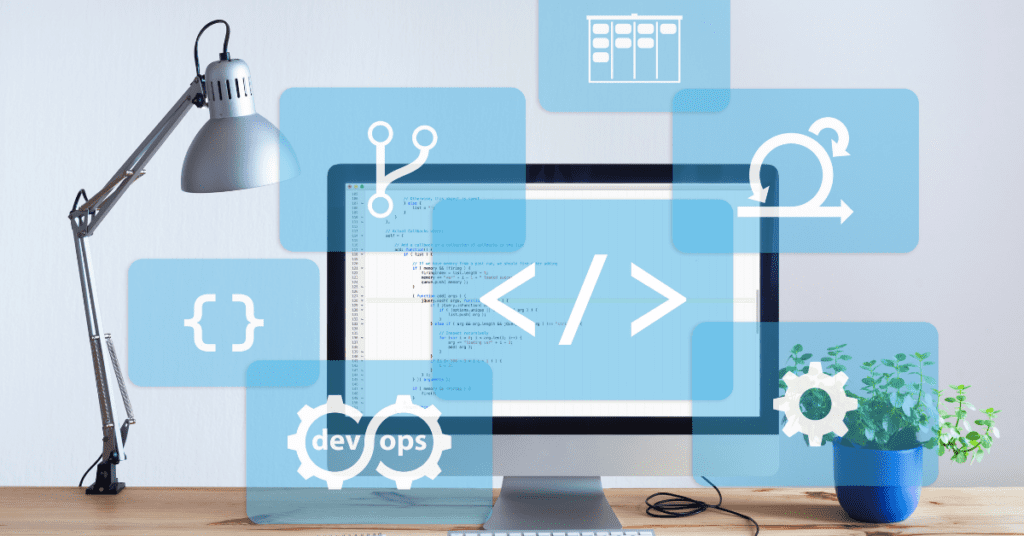
AWS DevOps Culture
With AWS DevOps, it combines the legacy culture & practice with a set of path to enable companies to deliver transformation rapidly. Ultimately, serving their business initiatives better and creating more impactful RoI by being effectively competing to the industry demands.
DevOps culture supports a flexibility on experimental phase, adaptability, and agile engineering culture. Designed to streamline iterative parts: build, test, deploy, scale, failover, recover. The core DevOps principles of shared responsibility, agility, transparency, and low risks through automation have proven to be crucial for handling complex projects such as enterprise platform migrations.
What is your fair share of experience on migrating your workloads to cloud? Have you been recently successful?